Carbon Taxes Cut Emissions, Not Jobs or Economic Growth
It’s easy to see why infrastructure spending would cut emissions, while creating jobs. Carbon taxes appear to do the same.
My columns, essays, books, as well as research and teaching materials like case studies.
It’s easy to see why infrastructure spending would cut emissions, while creating jobs. Carbon taxes appear to do the same.
Assessing tariffs based on the carbon content of goods is complicated, but will lead to stronger climate policy and better economic outcomes.
Jobs vs. environment is an old trope whose time has passed.
The science is ripe to update estimates of CO2 emissions costs. Calls to scrap the calculation are misguided.

To assess the effectiveness of climate policies, don’t look at today’s CO₂ emissions, instead focus on the trajectory.
The American Petroleum Institute is considering endorsing a carbon price. That’s a big shift, but a carbon price alone is not good climate policy.
Im Einfamilienhaus leben zu wollen, ist eine gesellschaftliche und psychologische Entscheidung – mit einer schlechten Klimabilanz. Ein radikales Umdenken ist notwendig.

by Gernot Wagner, David Anthoff, Maureen Cropper, Simon Dietz, Kenneth T. Gillingham, Ben Groom, J. Paul Kelleher, Frances C. Moore, and James H. Stock
The U.S. is updating a number with the potential to push federal regulations into overdrive.
Climate change mitigation became an economic positive

NYU Wagner workshop organized by Jesse D. Jenkins, Leah Stokes, and Gernot Wagner

The Biden administration should look to states as a laboratory for innovative climate action.

Science-based regulatory policies and a White House climate office could help counteract warming, no legislation required.
Instead of narrowly addressing carbon pricing, as economists have traditionally favored, the proposal has many aims
The Numbers Behind Exxon’s Support for a Carbon Tax
If $40/t CO₂ were the "right" price, tax carbon and move on. $40/t isn't the right price. The Exxon-backed tax isn't it.

The second-biggest economy’s new 2060 target could be a game changer if concrete policies follow.
Catastrophic fires call for rethinking suburban NIMBYism
The pandemic has led to some obituaries for urban living, but metropolises are still the most desirable and climate-friendly places to reside

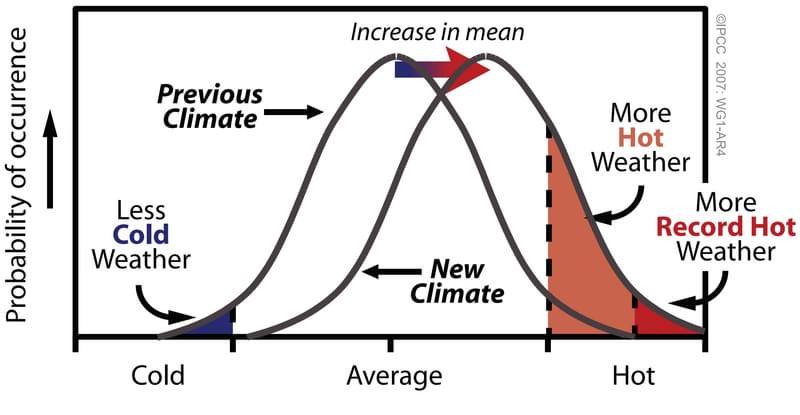
Weather extremes are intimately linked to even small increases in global average temperatures.