Minerals
Columbia Business School Climate Knowledge Initiative

Research, teaching, writings, and talks related to my appointments at Columbia, hosted by Columbia, and/or published by Columbia.
Columbia Business School Climate Knowledge Initiative
Center for Political Economy, Columbia World Projects

Columbia Business School Climate Knowledge Initiative

Columbia University

A net-zero world by 2100 is likely inevitable, but the next decade will be critical for securing a livable future.

Spring 2026 A-term course

Columbia Business School Climate Knowledge Initiative

Columbia Business School Case

Columbia Business School
New York, NY

Columbia Business School
Columbia Business School
Columbia Business School

Columbia Business School Case
Columbia Business School Climate Knowledge Initiative

Columbia Business School Executive Education
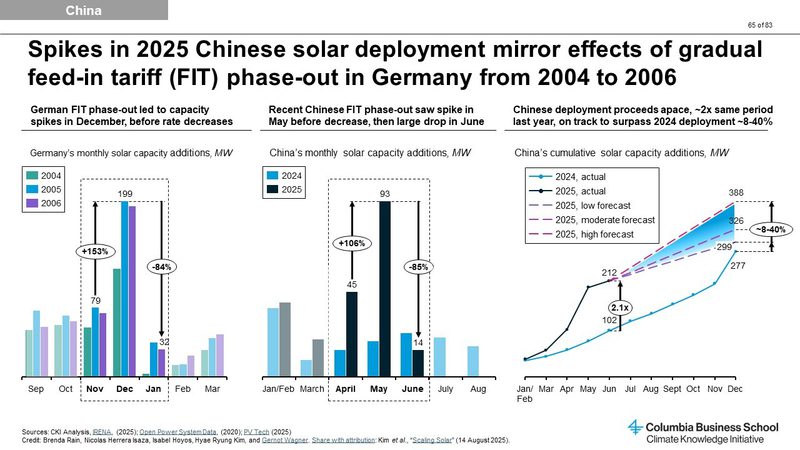
China’s Solar PV installations dropped 85 percent in June after a planned subsidy phase-out. But far from a retreat from renewables, the country's energy policy reforms reflect an increasingly mature and competitive solar industry.
The YEARS Project mini-documentary
by Jonathan Sperling
The YEARS Project mini-documentary